

IN THIS ARTICLE
How light affects daily rhythms
Why colour temperature is not enough
When HCL is relevant
What the project needs to address
Questions about Human Centric Lighting
#UNDERSTANDING LIGHT
Light affects more than vision. Human Centric Lighting (HCL) brings visual comfort and the body’s daily rhythms into the lighting design, alongside architecture, daylight and the way a space is used.
Its relevance depends on who uses the space, when they use it and the light they receive throughout the day.
THE ESSENTIALS
Lighting for people, throughout the day
HCL considers both the visual and non-visual effects of light. The CIE’s term for this combined approach is integrative lighting; Human Centric Lighting is the more widely used industry term.
It is not a particular luminaire or simply a system that changes colour temperature. The aim is to provide appropriate lighting for people’s activities and daily patterns.
WHY COLOUR TEMPERATURE IS NOT ENOUGH
A programmed change from cooler to warmer white light does not, by itself, demonstrate a circadian benefit. The amount of light reaching the eyes, its spectrum, timing and duration all matter. A lux reading on a desk describes a different condition from exposure at the eye.
For this purpose, melanopic equivalent daylight illuminance (melanopic EDI) describes light exposure weighted for melanopsin sensitivity. It is expressed in lux, but is not interchangeable with ordinary illuminance. It describes a stimulus, not a guaranteed health outcome.
Tunable white can form part of the solution, but changing Kelvin values is only one available tool.
WHEN HCL IS RELEVANT
HCL is worth considering where people spend substantial time indoors, particularly when daylight is limited or a space is used across different times of day. In practice, many indoor environments fall well short of the daytime recommendation.
As a starting point for the project brief, ask:
Workplaces: what light do people receive during their working day?
Residential and hospitality settings: how do daytime activities transition towards evening and sleep?
Care environments: how should lighting respond to residents’ routines, visual needs and overnight care?
These are reasons to investigate the approach, not evidence that every project needs the same system.
Healthcare and night-shift environments require particular care. Recommendations developed for healthy adults on daytime schedules should not be transferred directly to patients or night workers.
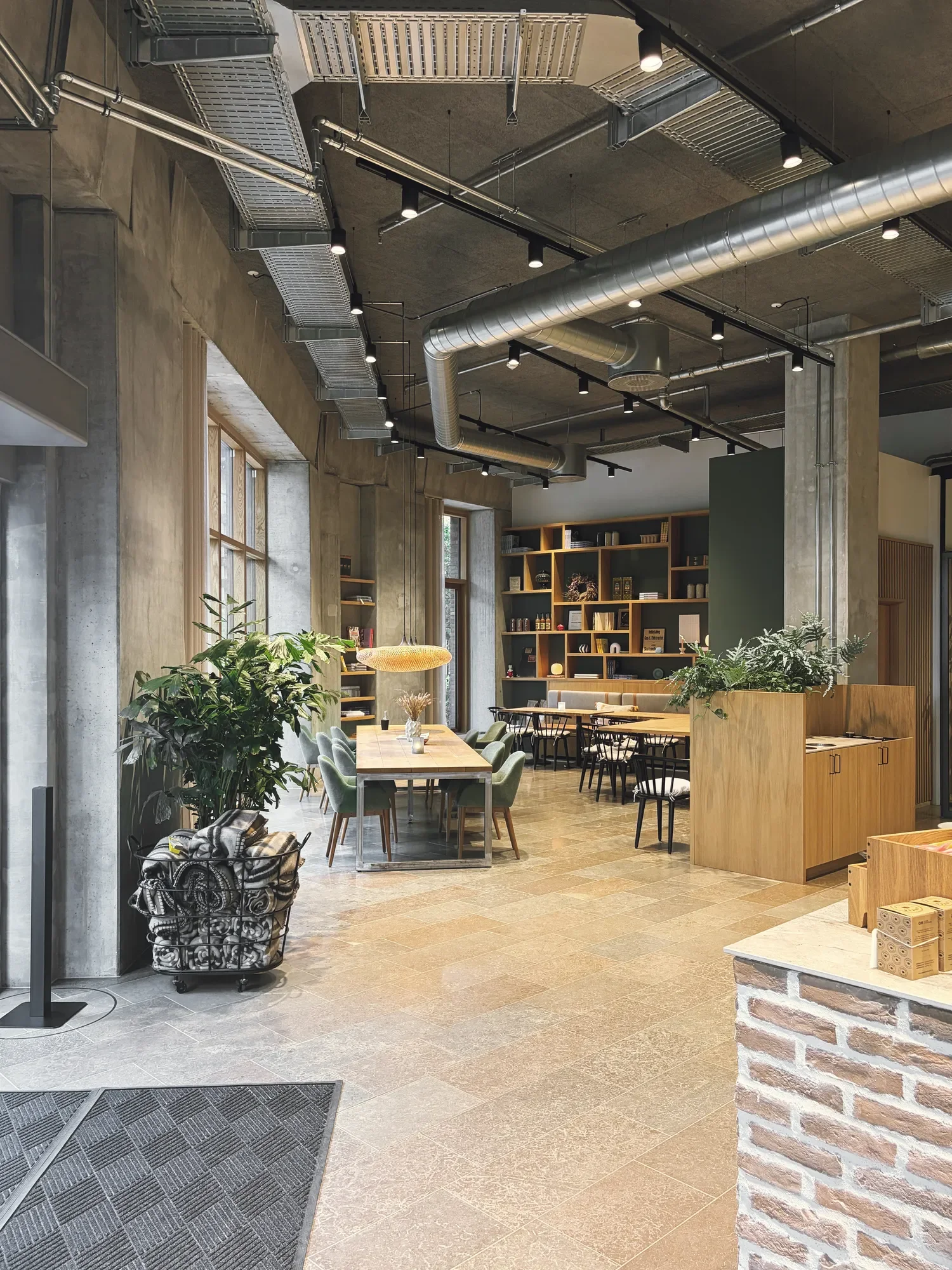
Lounge area for guests and employees - Arbejdernes Landsbank
WHAT THE PROJECT NEEDS TO ADDRESS
Start with the people and the intended use, then define how the lighting will respond.Daylight and layout
Assess where people spend time, their viewing directions and the daylight available at those positions.
Light distribution and comfort
Consider light reaching the eyes alongside task lighting, glare, materials and colour quality.
Controls and daily patterns
Define appropriate scenes, timing, dimming and any colour-temperature changes. Controls should remain understandable and allow suitable user adjustment.
Verification and operation
Agree what will be calculated or measured, how the installation will be commissioned and who will maintain its settings. Projects pursuing certification such as WELL may also have specific melanopic targets that need to be verified by calculation.
The brief should distinguish between a measurable lighting target and an intended benefit. Claims about better sleep, health or productivity need evidence relevant to the users and conditions involved, rather than the HCL label alone.
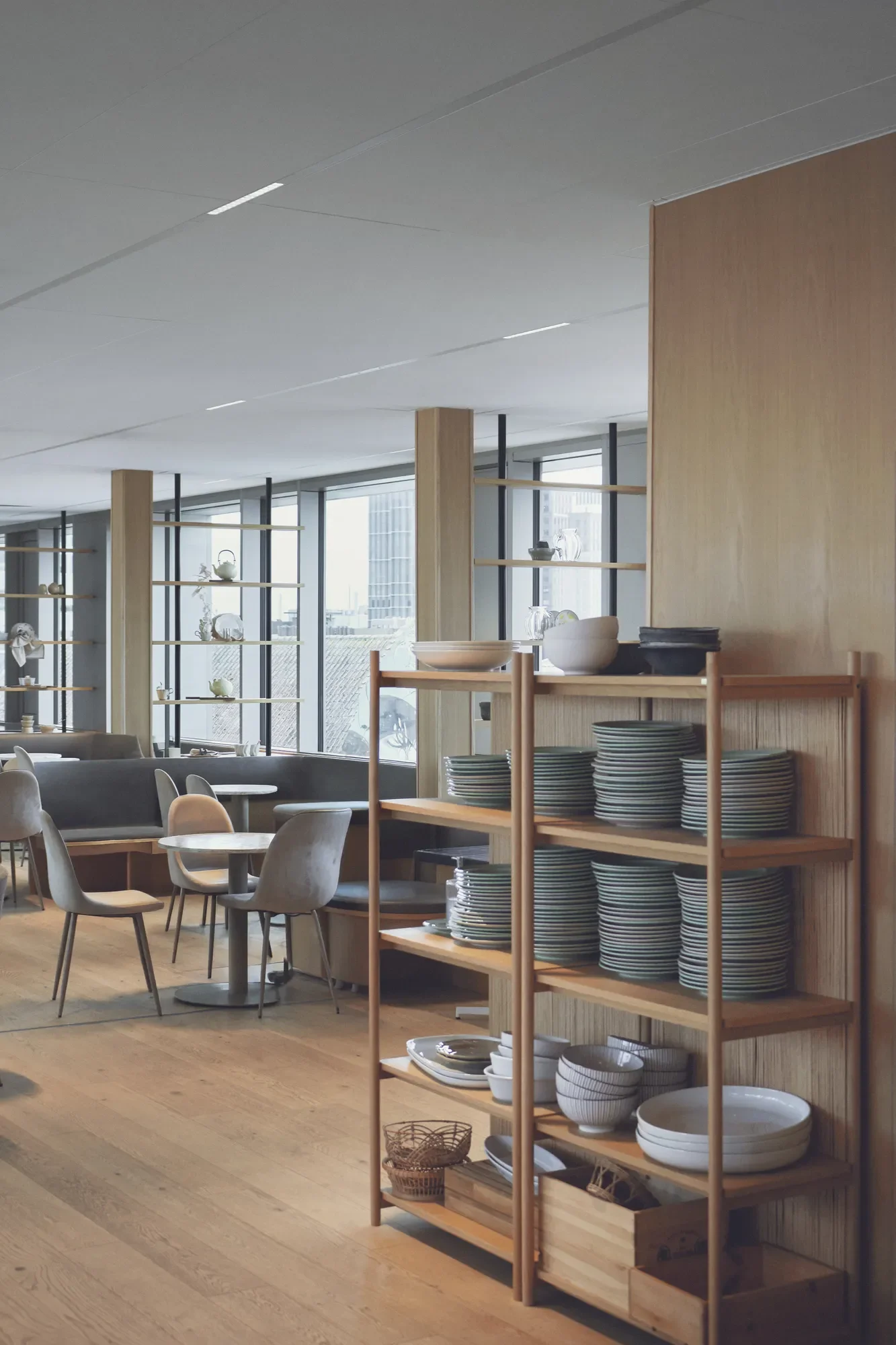
LIK Lighting project for Søsrene Grenes Headquarter Aarhus
Questions about Human Centric Lighting
Is Human Centric Lighting the same as tunable white?
No. Tunable white allows the colour temperature of white light to be adjusted. HCL is a broader design approach that considers people’s visual and non-visual needs.
Does HCL replace daylight?
No. Daylight should be considered first when planning daytime light exposure. Electric lighting can supplement it where necessary.
Does an HCL installation guarantee better sleep?
No. Light influences sleep and circadian rhythms, but an HCL label does not establish the outcome of a particular installation. The CIE’s measurement framework characterises light stimuli; it does not predict an individual’s complete response.
Should every project include HCL?
Every project should consider the people using it. Whether it needs a dedicated HCL strategy depends on occupancy, daylight, daily schedules and clearly defined objectives.
Published: 28.092026
Related Knowledge
Illuminance and luminance: what is the difference?
Understanding the difference helps explain why measured light levels do not tell the whole story about how a space is perceived.
What causes glare in lighting?
How luminance, contrast, optics and luminaire position influence visual comfort.
Planning a project?
