
Knowledge
UNDERSTANDING ARCHITECTURAL LIGHTING
Lighting decisions shape how a space looks, feels and functions. Here we explore the principles, technologies and practical considerations behind architectural lighting, from colour rendering and visual comfort to lighting controls, sustainability and Human Centric Lighting.
Our articles connect lighting knowledge with the questions that arise in real projects. How does light affect the appearance of materials? What helps reduce glare? And how can lighting respond to different activities within the same space?

We share what we know
Drawing on LIK Lighting’s practical project experience, we share clear explanations and technical guidance for architects, interior designers and project teams. We aim to make lighting choices easier to understand and evaluate, with attention to both design intent and how the solution works in practice.
Explore the principles. Understand the choices. Apply them to your project.
Explore our knowledge Articles
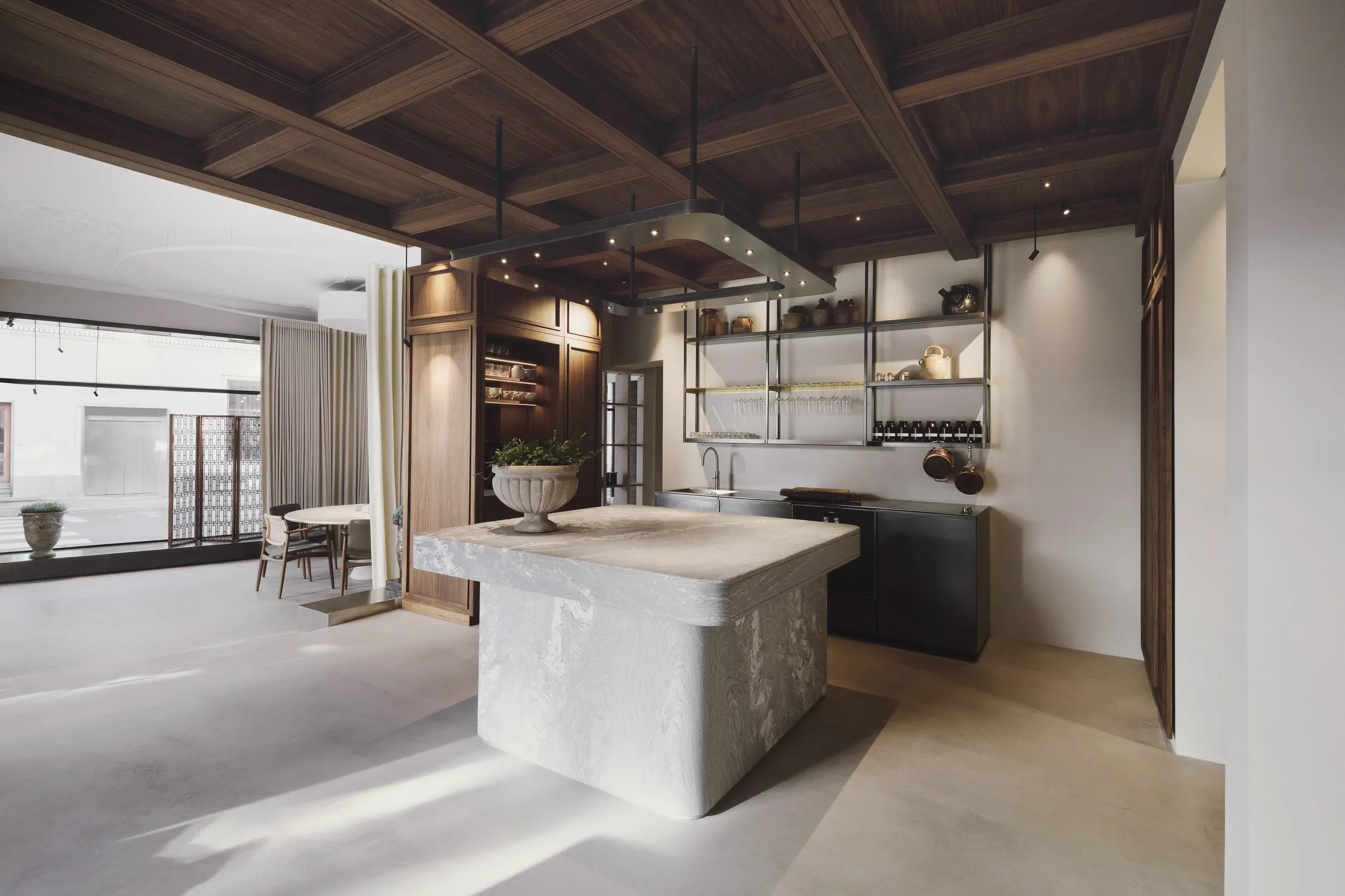
Human Centric Lighting: what it is and when it is relevant
Lighting for people, throughout the day. Human Centric Lighting considers both the visual and non-visual effects of light. - Read more

What is architectural lighting design?
Learn how light, visual comfort, materials, specification and timing come together in professional projects. Architectural lighting design considers how light works with…- Read more

Illuminance and luminance: what is the difference?
Understanding the difference helps explain why measured light levels do not tell the whole story about how a space is perceived.- Read more
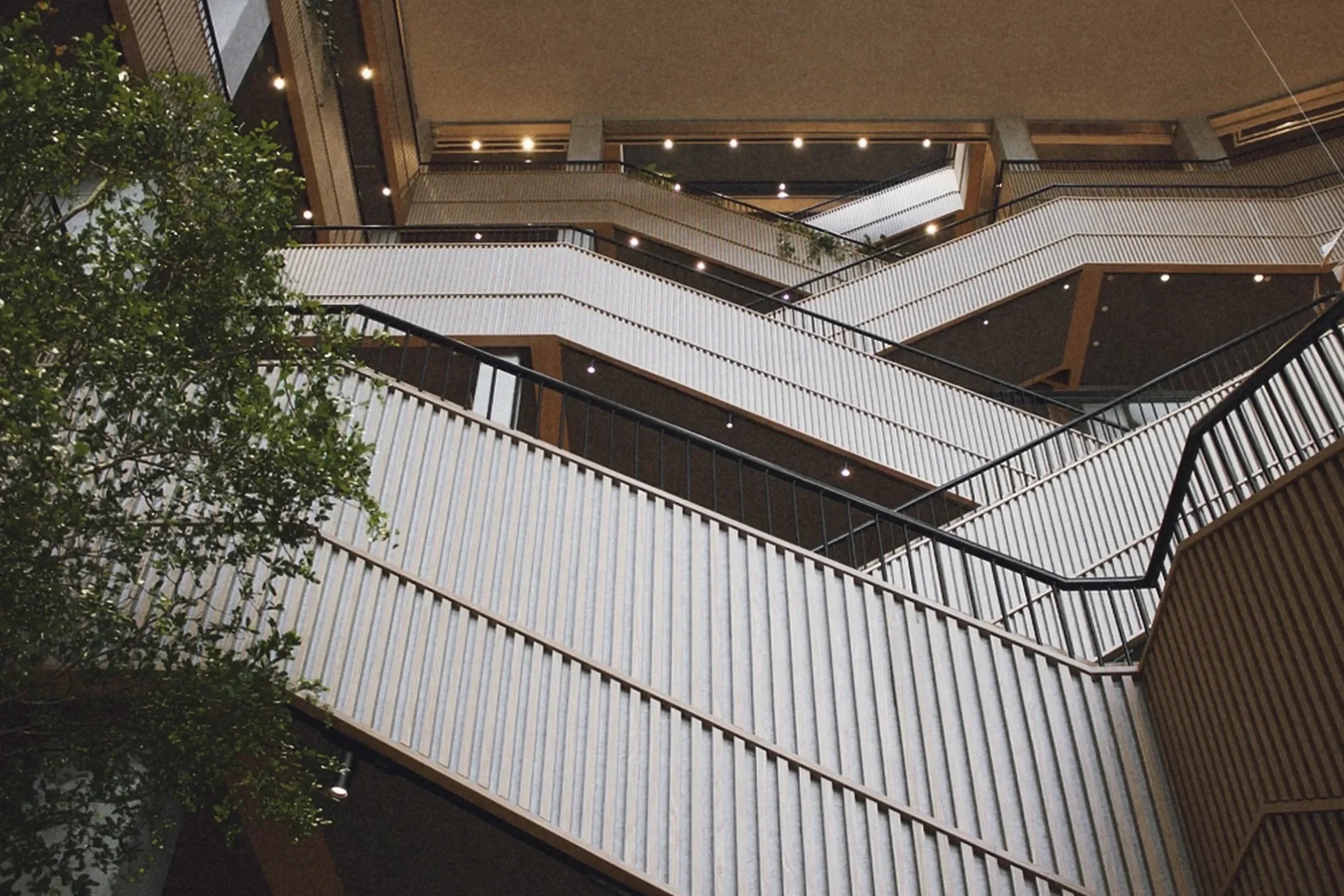
Colour temperature: what does Kelvin actually tell you?
In architectural lighting, colour temperature is one of several factors that influence how a space, its materials and colours are perceived….- Read more

How to plan lighting for a space
Lighting planning starts with understanding what happens in a space, who uses it and how the architecture shapes the possibilities.- Read more
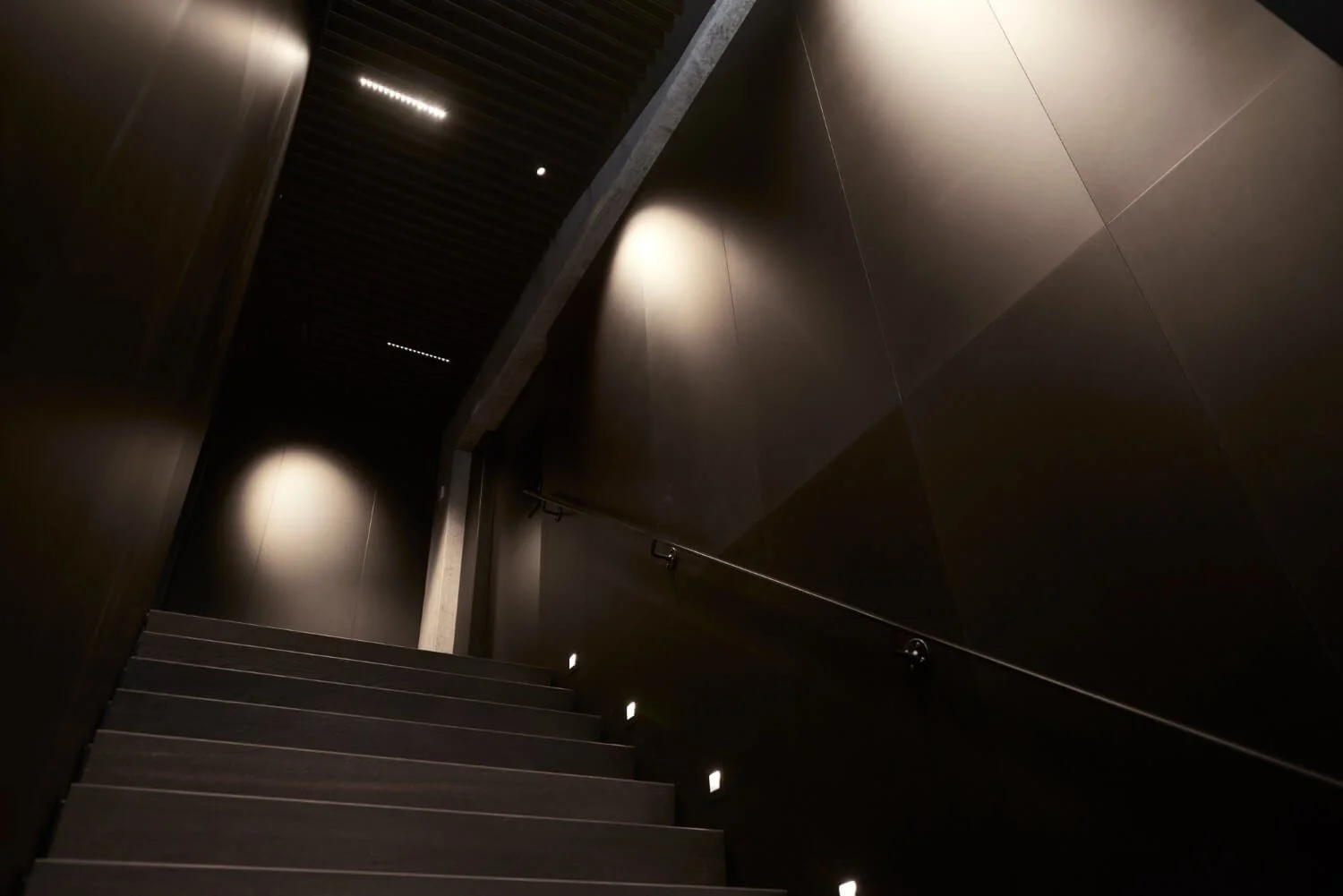
Light and surfaces: how reflectance changes a space
How does reflectance change a space? Learn how walls, ceilings, materials and surface finishes shape brightness, reflections, glare and texture.- Read more
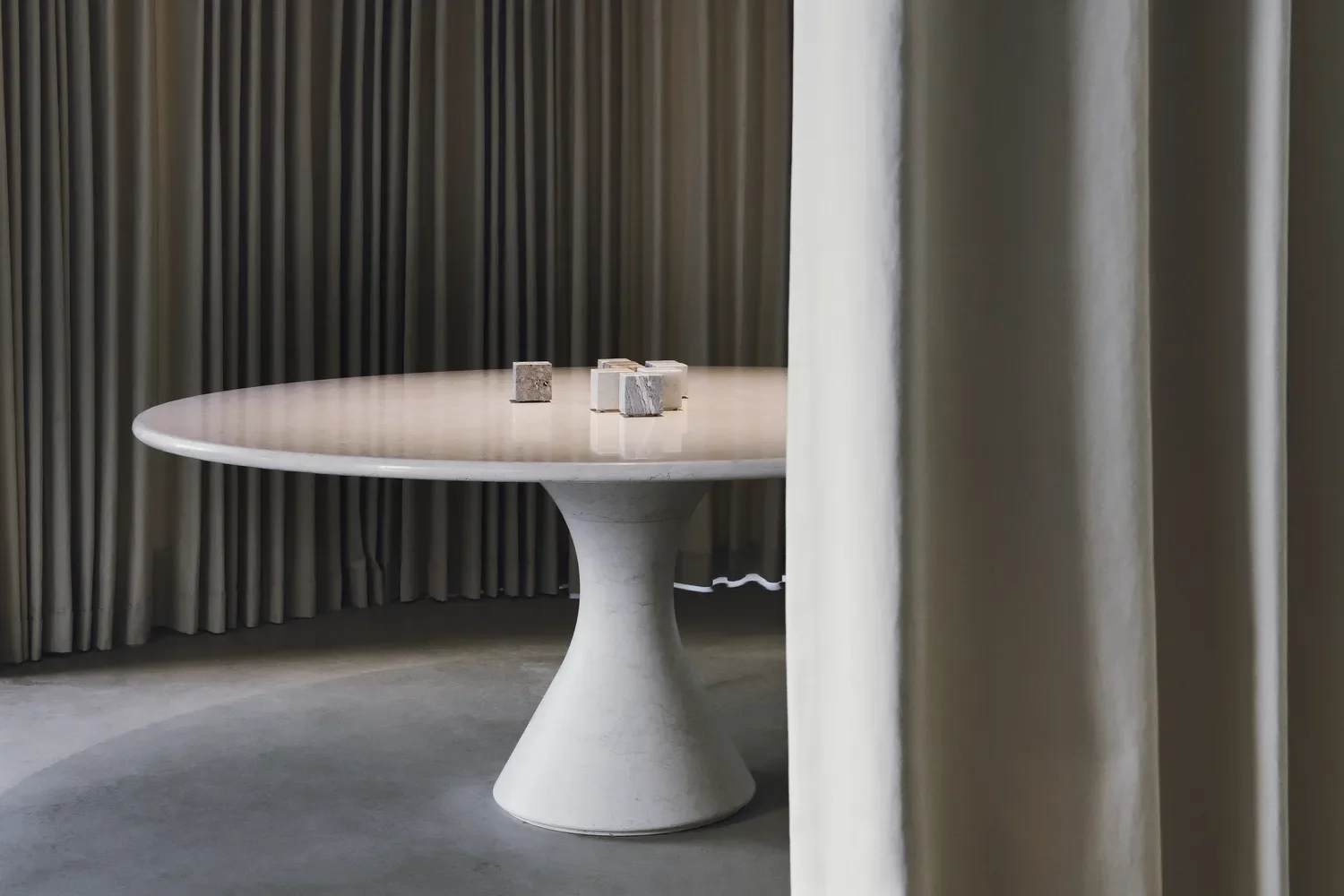
Colour rendering: CRI, R9 and how we see colour
Colour rendering describes how colours appear under a light source. CRI is widely used to indicate colour fidelity, but a single CRI value does not tell the whole story …- Read more

What causes glare in lighting?
Glare occurs when light within the field of view makes seeing uncomfortable or more difficult.It is not simply a question of having too much light.- Read more
LIGHTING QUESTIONS
Questions about light and lighting design
Clear answers to some of the principles, terms and practical considerations behind architectural lighting.
-
Architectural lighting design considers how light works with architecture, interiors and function. It involves more than selecting luminaires, including light distribution, visual comfort, colour quality, controls, positioning and integration with the building.
-
Human Centric Lighting considers how light can respond to human visual and biological needs. It may involve changes in light level and colour temperature over time, but the exact approach depends on the application and the lighting system.
-
Colour temperature describes whether white light appears warmer or cooler and is measured in Kelvin. Colour rendering describes how colours appear under a light source. The two are related to light quality, but they describe different characteristics.
-
Glare can occur when there is excessive brightness or contrast within the field of view. Luminaire position, optics, shielding, viewing direction and surrounding surfaces can all influence visual comfort.
-
Ideally, lighting should be considered early enough to coordinate it with architecture, interiors, ceilings, electrical installations and controls. Early decisions can make it easier to integrate both the visual and technical aspects of the lighting solution.