

IN THIS ARTICLE
What architectural lighting
design considers
More than choosing luminaires
Why timing matters
From design intent to specification
What belongs in a lighting
design brief
Questions about
architectural lighting design
#UNDERSTANDING LIGHT
Good lighting starts with the space, not with a product catalogue. Architectural lighting design brings light levels, glare, colour and controls together with the architecture, materials and daylight – and works best when it begins before ceilings, surfaces and installations are fixed. An office, a museum and a hotel may therefore need very different solutions.
THE ESSENTIALS
Architectural lighting design is the planning of how light works within a space. It goes beyond selecting luminaires and considers how light is distributed, perceived, controlled and integrated into the architecture. The approach depends on the purpose of the space, the people using it and the architectural conditions around it.
What does architectural lighting design consider?
A lighting design brings several factors together rather than treating them as separate technical decisions.
Illuminance
The amount of light reaching a surface, measured in lux. The appropriate level depends on the space and activity.
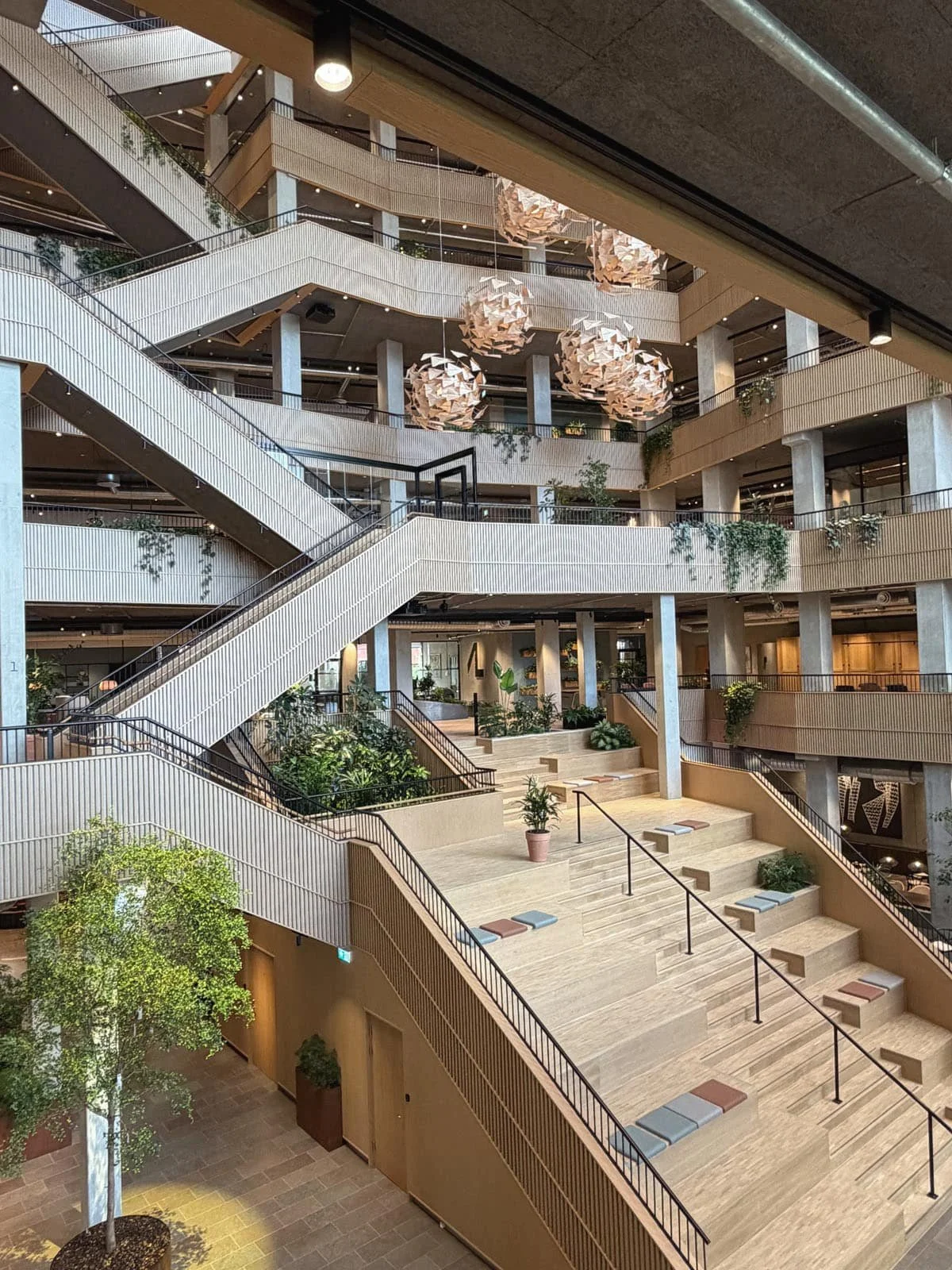
Arbejdernes Landsbank - Lighting design by LIK Lighting
Glare
Visual discomfort or reduced visibility caused by excessive brightness or strong luminance contrast in the field of view. Luminaire position, optics, shielding and viewing direction all help control it.
Visual discomfort or reduced visibility caused by excessive brightness or strong luminance contrast in the field of view. Luminaire position, optics, shielding and viewing direction all help control it.
Colour temperature
Measured in Kelvin as correlated colour temperature (CCT), it describes whether white light appears warmer or cooler. Lower values appear warmer.
Colour rendering
Describes how colours appear under a light source. This matters wherever materials, products, artwork, food or skin tones need to be perceived accurately.
Optics
Determine where the light goes and how it is distributed across surfaces and objects.
Controls
Allow lighting to respond to different uses, scenes, daylight conditions or times of day.
These decisions are considered alongside daylight, materials, surfaces, ceiling conditions and technical installations. Relevant standards and project-specific requirements also form part of the process. For indoor workplaces in Europe, EN 12464-1:2021 is an important reference.
More than choosing luminaires
A luminaire is only one part of the lighting solution.
Its position, beam distribution, output and relationship to the surfaces around it all affect the result. The same luminaire can create very different lighting depending on where it is placed, how it is aimed and what it illuminates.
Materials matter too. A dark surface absorbs more light than a pale one. Glossy materials behave differently from matt surfaces. Ceiling construction and available mounting depth may determine whether a recessed solution is possible at all.
Architectural lighting design therefore starts with the space and its requirements, not with a catalogue of products.
Why does timing matter?
Lighting is easier to integrate when it is considered before key architectural and technical decisions are fixed.
Ceilings, surfaces, electrical installations and control systems all influence what can be achieved. This does not mean every luminaire needs to be specified from the beginning. The important point is to establish what the lighting needs to achieve early enough for it to become part of the project.
From design intent to specification
Lighting design defines how light should work within the space. Lighting specification translates that intention into products, performance requirements and technical information.
Depending on the project, the process may also include lighting calculations, coordination, installation, programming, aiming and final adjustments
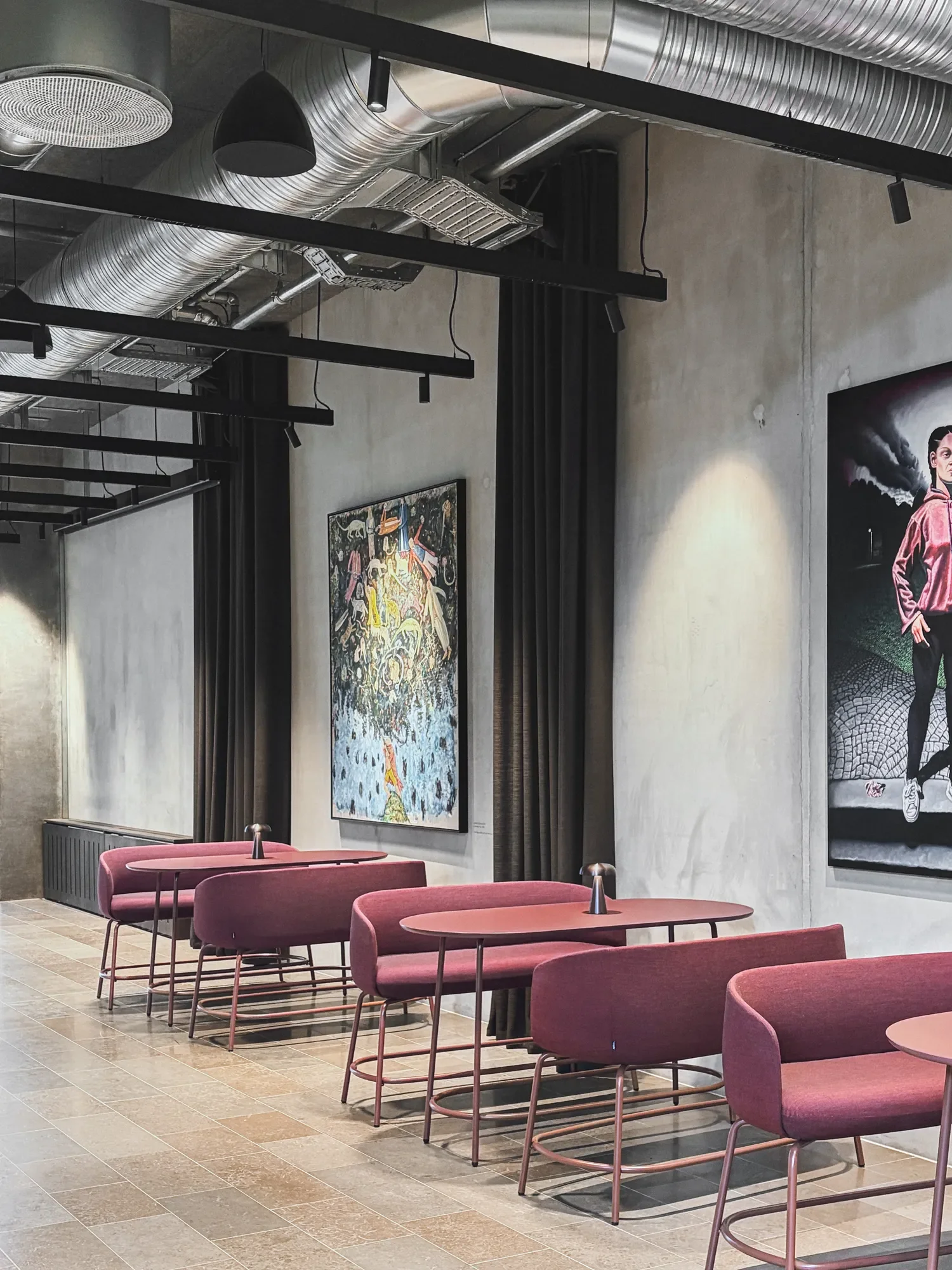
Architectural Lighting - Arbejdernes Landsbank
What belongs in a
lighting design brief?
A useful brief establishes the conditions that will shape the lighting design. These may include:
how the space will be used
architectural and interior conditions
materials and surface finishes
ceiling and mounting conditions
daylight
visual comfort and colour quality
controls
relevant standards and technical requirements
The clearer these conditions are, the easier it becomes to develop lighting that works with the project rather than around it.
Architectural lighting in practice
In professional projects, lighting design sits between architecture, interiors and technical implementation.
At LIK Lighting, this can extend from early consultation and lighting design through specification, product selection and technical coordination to delivery, installation and commissioning, depending on the needs of the project.
The products matter, but they are part of a larger question: what does the light need to do in this particular space?
Questions about architectural lighting design
Is architectural lighting design only about artificial light?
No. Daylight and artificial lighting influence each other and should be considered together where relevant. Daylight conditions can affect light levels, controls, positioning and how a space changes throughout the day.
What is the difference between lighting design and lighting specification?
Lighting design defines how light should work within the space. Lighting specification translates that intention into products, performance requirements and technical information that can be implemented.
When should a lighting specialist become involved?
Ideally, early enough for lighting to be coordinated with architecture, interiors and technical installations before key conditions are fixed. The appropriate stage depends on the scale and complexity of the project.
Does architectural lighting design have to follow specific standards?
Professional projects may be subject to standards and other project requirements depending on their use and location. For indoor workplaces in Europe, EN 12464-1 is an important reference. The exact requirements should be confirmed for the individual project.
Published: 28.092026
Related Knowledge
Colour temperature: what does Kelvin actually tell you?
How warm and cool white light are described and why Kelvin tells only part of the story.
Colour rendering: CRI, R9 and how we see color
Colour rendering describes how a light source affects the appearance of colours compared with a reference light.
Illuminance and luminance: what is the difference?
Understanding the difference helps explain why measured light levels do not tell the whole story about how a space is perceived.
Planning a project?
